All Categories
Featured
refers to being a go-to resource or professional on a particular subject. It can use to a site's competence on a subject or an individual's knowledge. Google has actually long tried recognizing topical authorities through initiatives like authorship markup and patents on determining "authority signature values. "Topical authority impacts things like Google's knowledge panels, search engine result rankings, and brand-driven searches. The more authoritative material related to a brand name, the higher the topical authority. Are you thinking about discovering topical authority to improve your online search engine rankings? While it may at first seem complex, nailing topical authority substantially improves your website's performance. Essentially, it includes developing your site as a relied on resource on particular topics. When you accomplish this, search engines like Google are most likely to rank your site higher. These are the points we'll cover: ExactMetrics is the very best WordPress Analytics plugin. Get it for free! Topical authority implies positioning yourself as a specialist in a specific discipline. When your site provides extensive and important information on a specific subject, online search engine see it as a credible source, which helps your website rank better in search results page. By sharing comprehensive posts on different cleansing techniques, tips for dealing with different types of spots, seasonal cleaning advice, and options for typical home cleaning problems, your site can become a preferred location for cleaning enthusiasts. Search engines acknowledge that your website completely covers various cleansing subjects, which causes higher rankings when users search for related info. This is especially useful if you run a small service or website. Even websites with low Domain Authority (DA)can.
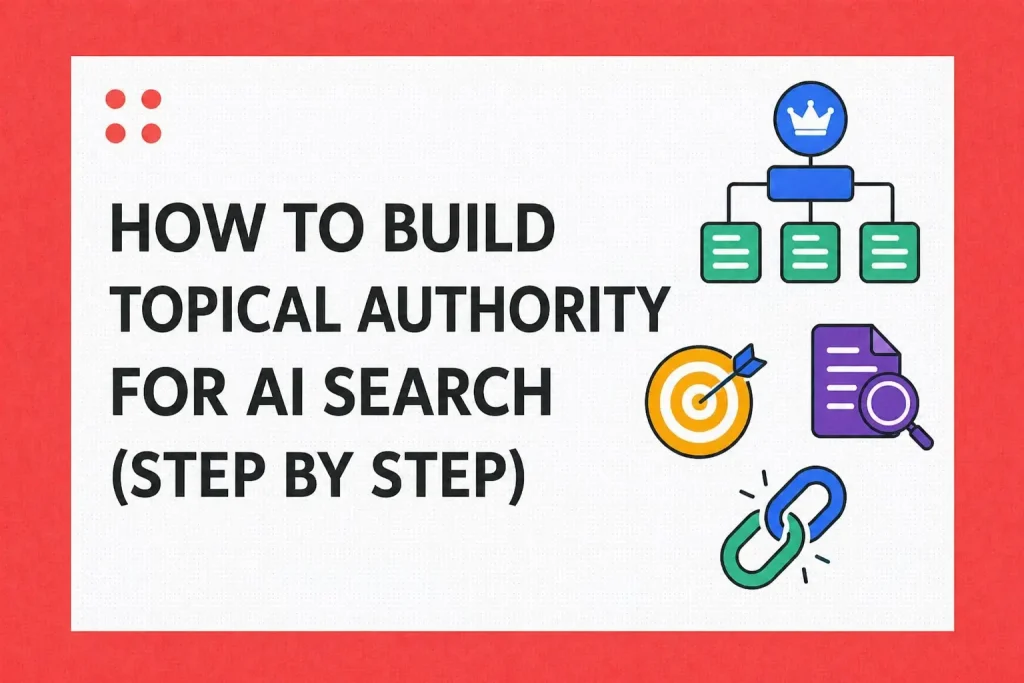
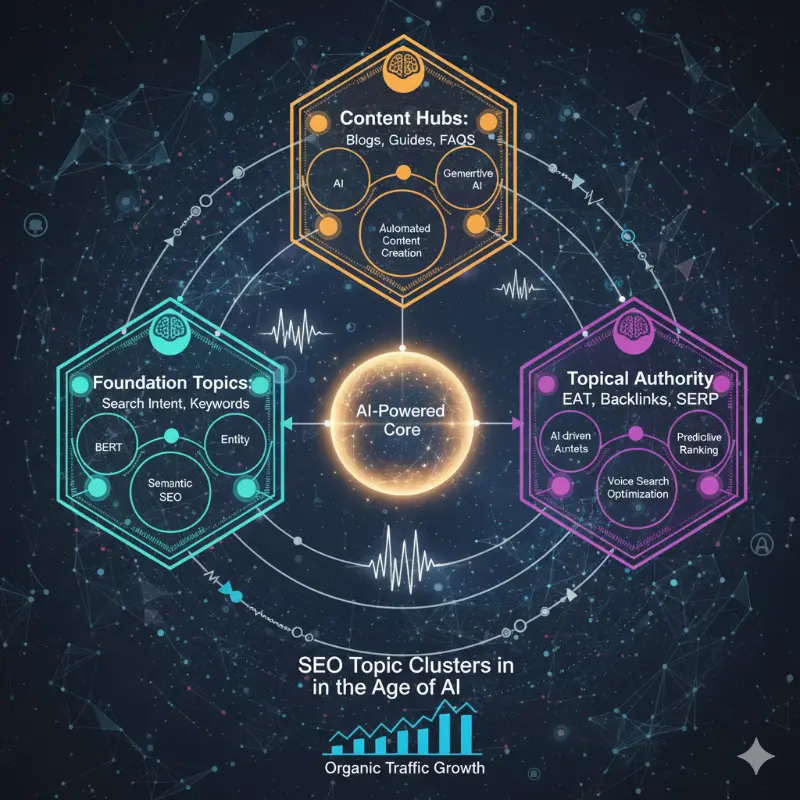
exceed those with greater DA if they stand out in topical authority. For instance, a little cooking blog site offering in-depth dishes, cooking pointers, and nutritional advice can outrank a bigger site with only basic dishes. If your material is useful and engaging, visitors will remain on your site longer, showing to search engines that your website holds worth. Next, let's dig into how Google ranks websites and their newest updates. Google utilizes several criteria to identify your site's ranking. Aspects such as high-quality material, fast loading speeds, mobile friendliness, and an overall positive user experience play essential roles. One considerable aspect to think about is Google's latest valuable material updates. These updates are designed to emphasize material that is beneficial, informative, and straight relevant to users 'search queries. If your content meets these requirements and really assists users, it is more most likely to accomplish a higher ranking. E-A-T, which represents,, and, is another vital ranking factor. Here's what we'll cover: Conducting keyword research is fundamental to building topical authority. Before writing material, it's essential to comprehend what your audience is looking for. Initially, consider your audience's interests. What concerns do they have? What information are they looking for? Your objective is to offer extensive coverage of all this. This is a broad term that encapsulates your entire subject. If your subject is"home exercises, "a great seed keyword might be "beginner workout regimens. " Prevent terms that are too generic, like"physical fitness, "or excessively particular, like"yoga presents for lower neck and back pain."After choosing a seed keyword, widen your list of related subjects. Enter your broad subject. Look at the recommended filters. These typically supply related ideas worth exploring. For circumstances, see what occurs when you type in"baking recipes"Why rule out focusing on easy or no-bake cake recipes with few active ingredients? You can even do a seasonal series for summer, winter, and fall or" Fun Halloween Cake Recipes. "For more extensive keyword research, we adviseusing a tool like Semrush . In addition, analyze the articles that rank well for your chosen keywords. Research study these top-ranking articles to comprehend what they cover, how they structure their content, and how they utilize headings. This insight exposes what both Google and users expect when searching for these terms. By evaluating these successful posts, you can develop content that satisfies or goes beyond these standards, consequently building your topical authority in the eyes of search engines. To establish strong topical authority, you need to develop a content cluster. This involves developing a mix of pillar posts(likewise known as cornerstone material )and supporting posts that are interlinked. These are extensive, thorough pieces that cover a broad subject thorough. They act as the main centers of your content cluster. In the world of individual finance, supporting short articles might consist of "How to Develop a Budget,""Comprehending Credit Ratings, "and"Tips for Conserving Money. " Inspect out our extensive tutorial on Cornerstone Content for SEO: What It Is & How to Create It for more insights. Organizing your material into clusters leads to a well-structured, interconnected info web. The number of posts do you need to compose to produce a reliable content cluster? There's no set number, however an excellent indication is when your new material on a subject starts ranking easily. That's a sign you've built topical authority. Securing backlinks is one of the most challenging aspects of SEO. There are effective techniques to get high-quality backlinks. Here are some actionable pointers: Write articles for other blogs and sites within your specific niche. This helps you use a broader audience and gets you important backlinks. The most organic method to get backlinks is by developing content that others desire to connect to.
Entity SEO and Structured DataThis might draw in more attention and earn you a terrific backlink in the future.
Entity SEO and Structured DataThe New Role of Machine Learning in Search
This enhances user engagement and assists browse engines understand the structure and hierarchy of your material. When developing internal links, make use of detailed anchor text that notifies the reader about the material they will discover when clicking the link. Instead of interlinking with the word "here," explain what you're linking to, such as our article on "composing a killer heading." Online search engine choose up on the anchor text of your links and utilize it to understand your content and website's structure.
While it might be tempting to connect everything on your site, it's important to stay focused. Connecting to irrelevant pages can puzzle your visitors and provide a bad user experience.

Latest Posts
Scaling Semantic Authority Through AI Systems
Why Website Brands Need Predictive Personalization Engines
Optimizing Business Content Using Next-Gen AI Tools